
About Us
One - stop Printed circuit board assembly Solution provider Keep Best PCB Assembly Co., Ltd serves many well-known brand customers in industrial control, security, medical, Internet of Things, automotive, artificial intelligence, smart home, power and communications industries at home and abroad. The company continues to be customer-centric, improves the level of digital intelligence, and is committed to meeting continued high-quality customer needs.
Get a free quote

Manufacturing and Shipping Records for Thailand PCBA
-
KeepBestPcba
-
Published
Updated
-
Views ()
Manufacturing and Shipping Records for Thailand PCBA
Prepare manufacturing and shipping records for Thailand PCBA. Review classification, origin and importer responsibilities without assuming zero-duty treatment.
Manufacturing and Shipping Records for Thailand PCBA
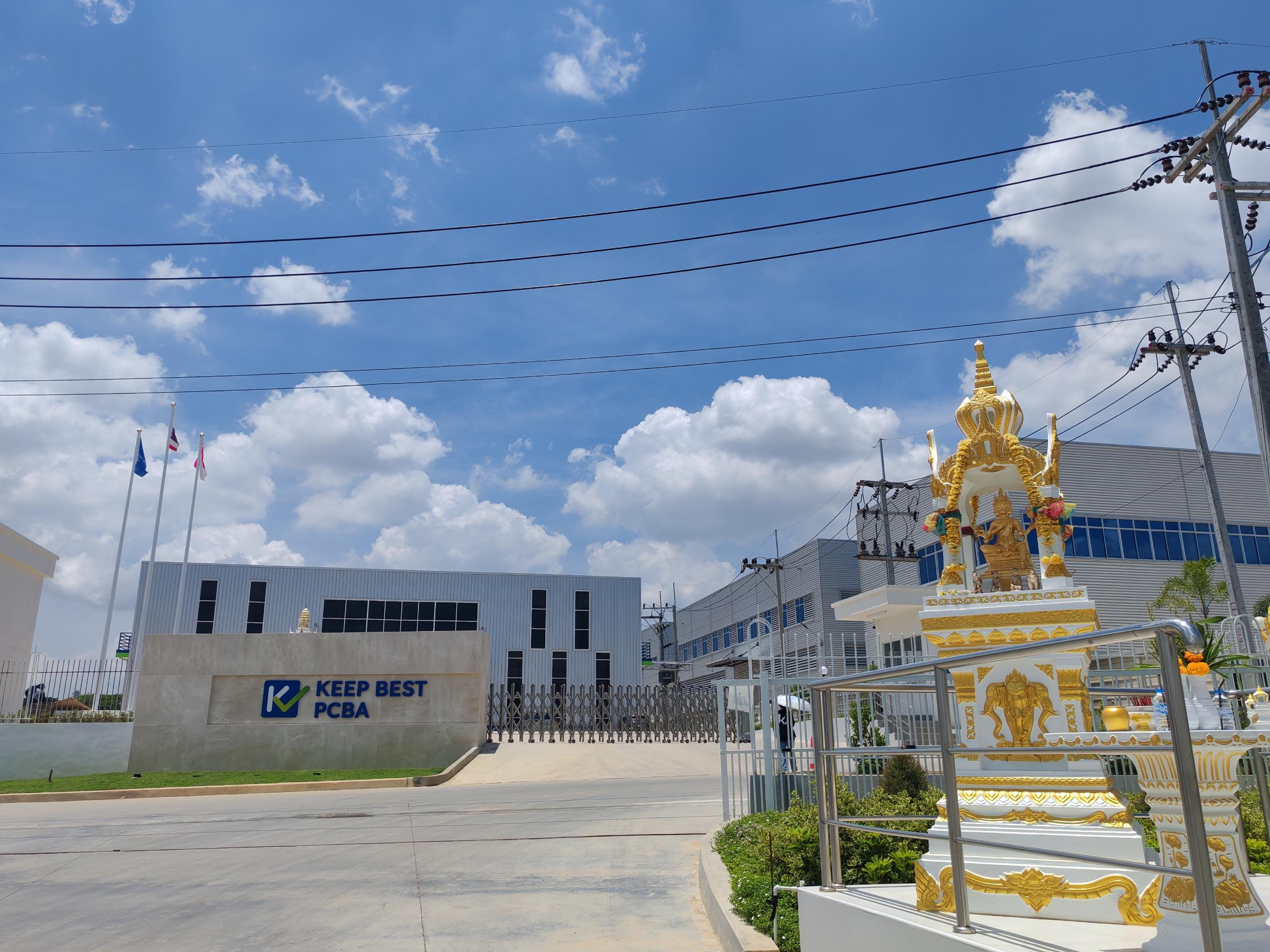
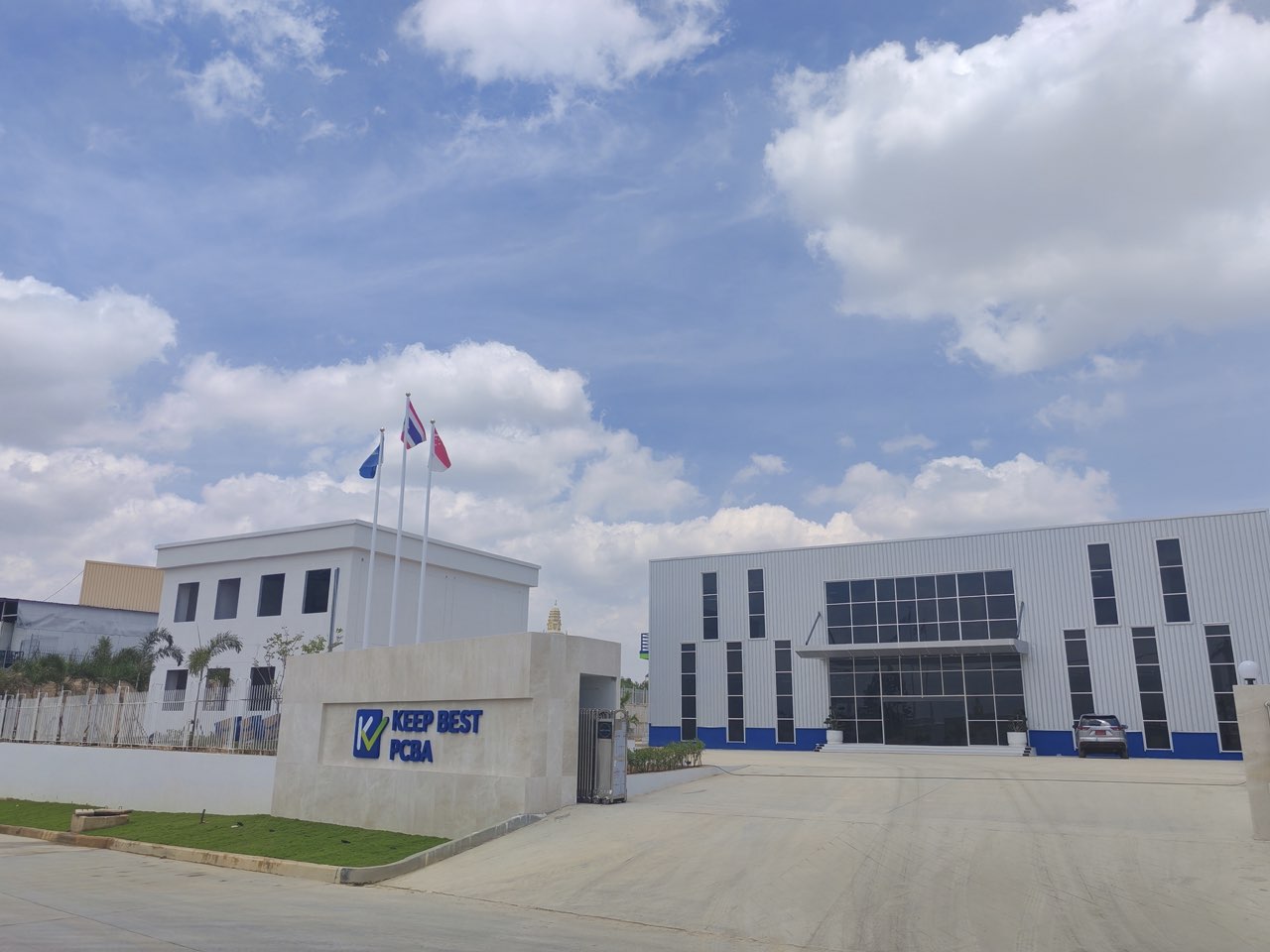
A Thailand PCBA sourcing decision should combine manufacturing fit, a controlled material plan and a documented shipping review. Production in Thailand does not by itself establish a zero-duty outcome. Start with the finished-product description, destination and proposed manufacturing route.
Define the product and destination before estimating duty
Give the importing-country broker the product function, technical description, bill of materials and intended use. For US imports, CBP explains that duty depends on factors including classification and country of origin. Review the applicable treatment for the actual product at the planned shipment date.
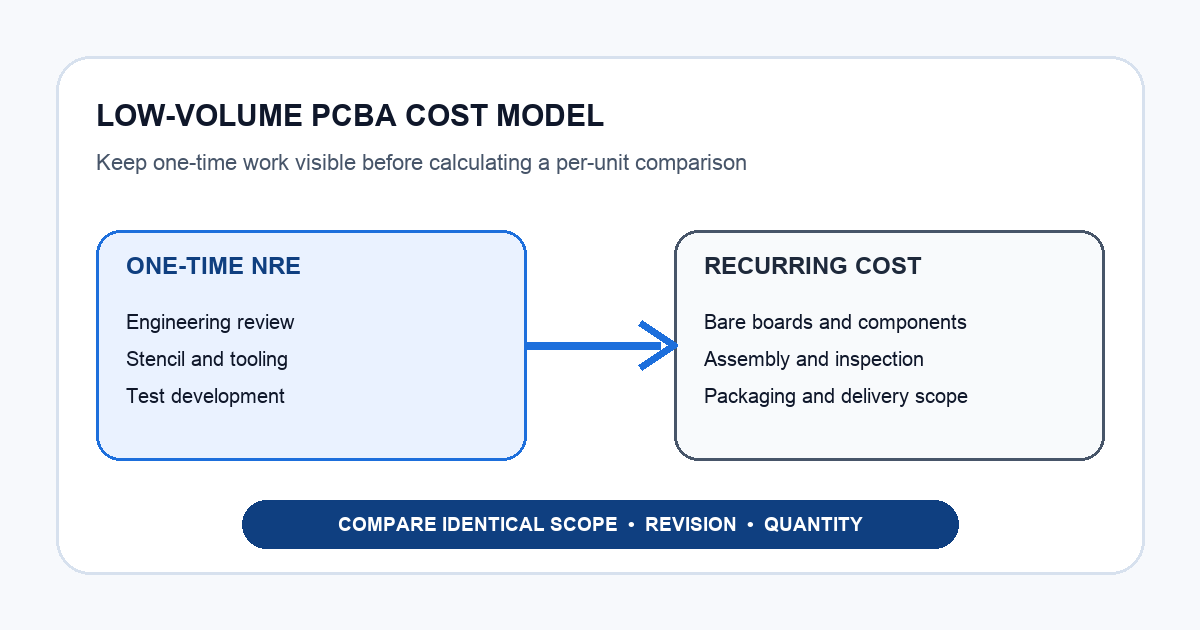
Include component availability, inventory ownership, inland transport, packaging and the agreed delivery terms in the landed-cost review. A quotation should identify which costs and customs responsibilities are included and which remain with the buyer or importer.
Review the actual Thailand manufacturing route
Separate manufacturing incentives from import duty
If a manufacturer refers to an investment incentive, ask for the relevant entity, project approval, eligible activity and conditions. An incentive applying to factory machinery or imported inputs should not be presented as an automatic exemption for a customer importing the finished assembly elsewhere.
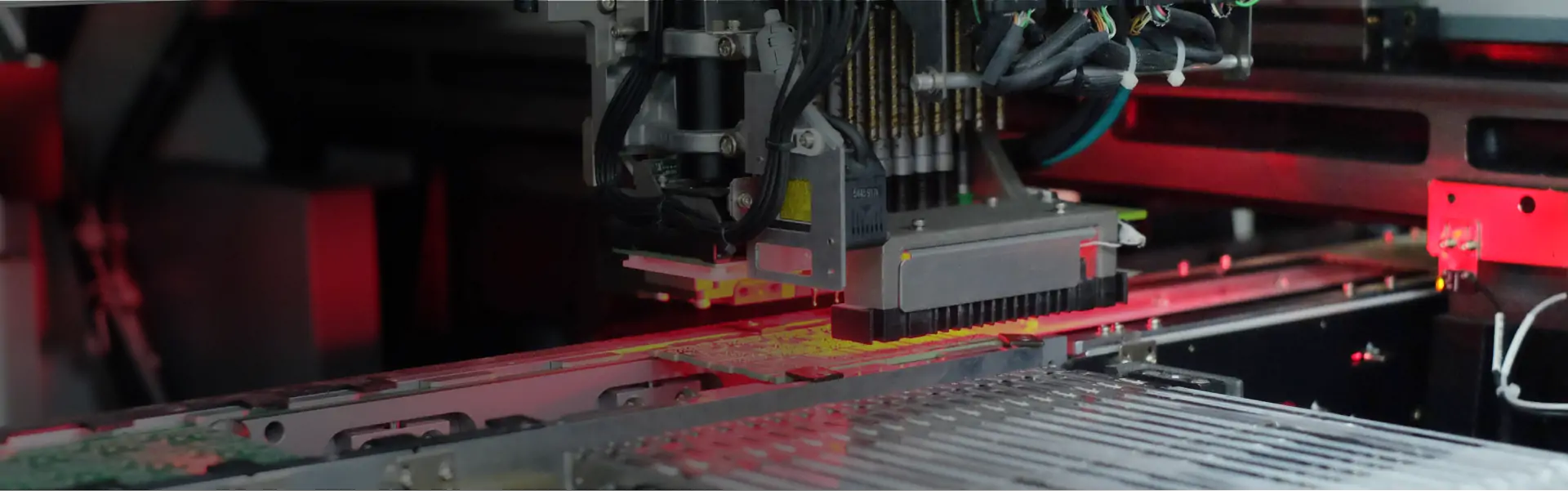
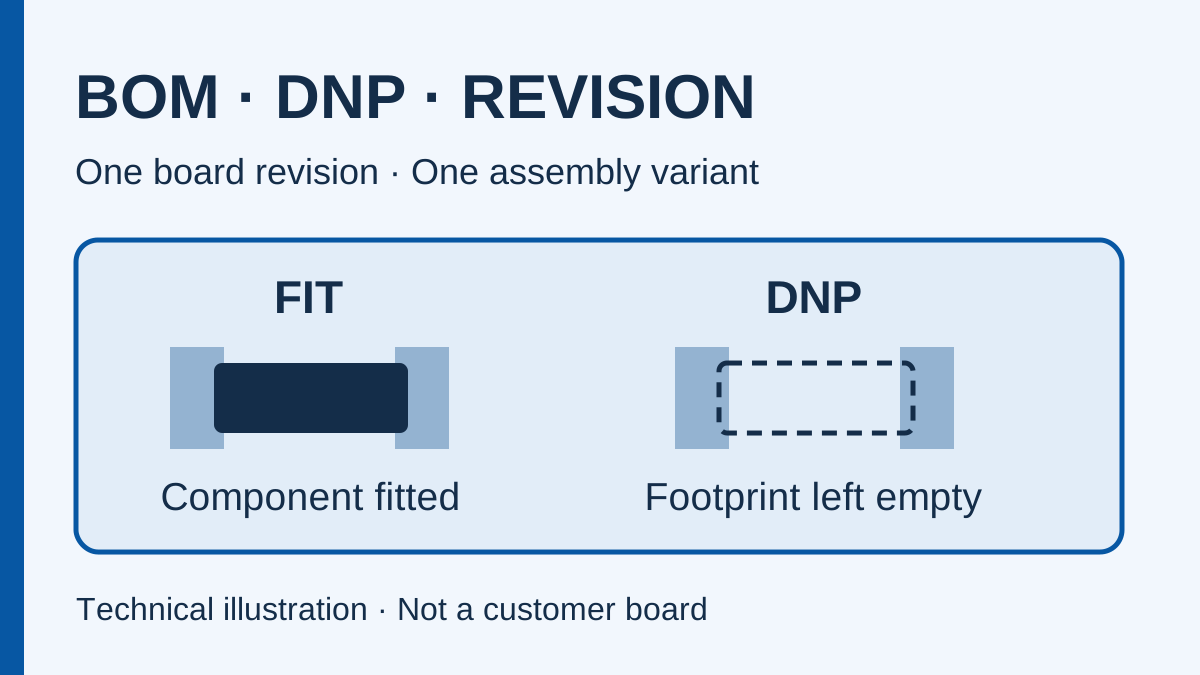
Record the approved supplier route, manufacturer part numbers, component origin information where available, and substitution approvals. Keep this evidence alongside the released BOM and purchase records so engineering changes can be assessed before shipment.
Record component sourcing and approved substitutions
Do not assume preferential US treatment from a Thailand assembly location or assert a trade agreement without checking its actual coverage. Request a product-specific classification and origin review from the importer and broker; where appropriate, the importer can ask CBP about a binding ruling.
Ask the importing-country broker to review classification and origin
Confirm the legal entity accepting the order, the site executing each manufacturing step and any coordinated suppliers. Keep the quotation, manufacturing records and shipping documents consistent with the agreed responsibilities.
Prepare the transfer and shipping record
Select the shipment route and agreed delivery terms
Check how incoming components reach the executing site and how finished assemblies reach the customer. Agree packaging, shipment consolidation, consignee details and responsibility for customs documents before scheduling the build.
Approve the production and engineering handover
Share a controlled transfer package covering PCB fabrication data, BOM, placement files, assembly notes and test requirements. Review first-article acceptance, approved deviations and the conditions for releasing a repeat production order.
Keep material and revision records
Separate the responsibilities of the buyer, engineering contact, purchasing team, manufacturer and importer. Changes to components, process routing or product function should trigger a review of affected technical and shipping records.
Use a documented project review instead of a tariff promise
Compare supplier routes using availability, authenticity controls, revision discipline and logistics requirements. Confirm approved alternatives before purchase and preserve the resulting approvals with the production record.
For a procurement review, request a sample document set: released BOM, manufacturing-route description, agreed test report format and draft packing or invoice information. This is a review checklist, not a claim that a particular customer obtained a tariff reduction.
Before requesting a production quote, identify the delivery country and explain which shipping and origin records your importer needs. CBP reference pages: Import duties and tariffs (https://www.help.cbp.gov/s/article/Article-1344) and Customs duties / classification and rulings (https://www.help.cbp.gov/s/article/Article-1106?language=en_US). Confirm current requirements with the relevant importing-country authority.
Tags:
Recent Post

Ask a PCBA question
Your question is sent privately to our team. Required fields are marked *.