
About Us
One - stop Printed circuit board assembly Solution provider Keep Best PCB Assembly Co., Ltd serves many well-known brand customers in industrial control, security, medical, Internet of Things, automotive, artificial intelligence, smart home, power and communications industries at home and abroad. The company continues to be customer-centric, improves the level of digital intelligence, and is committed to meeting continued high-quality customer needs.
Get a free quote

EMS vs PCBA in Thailand: Service Scope
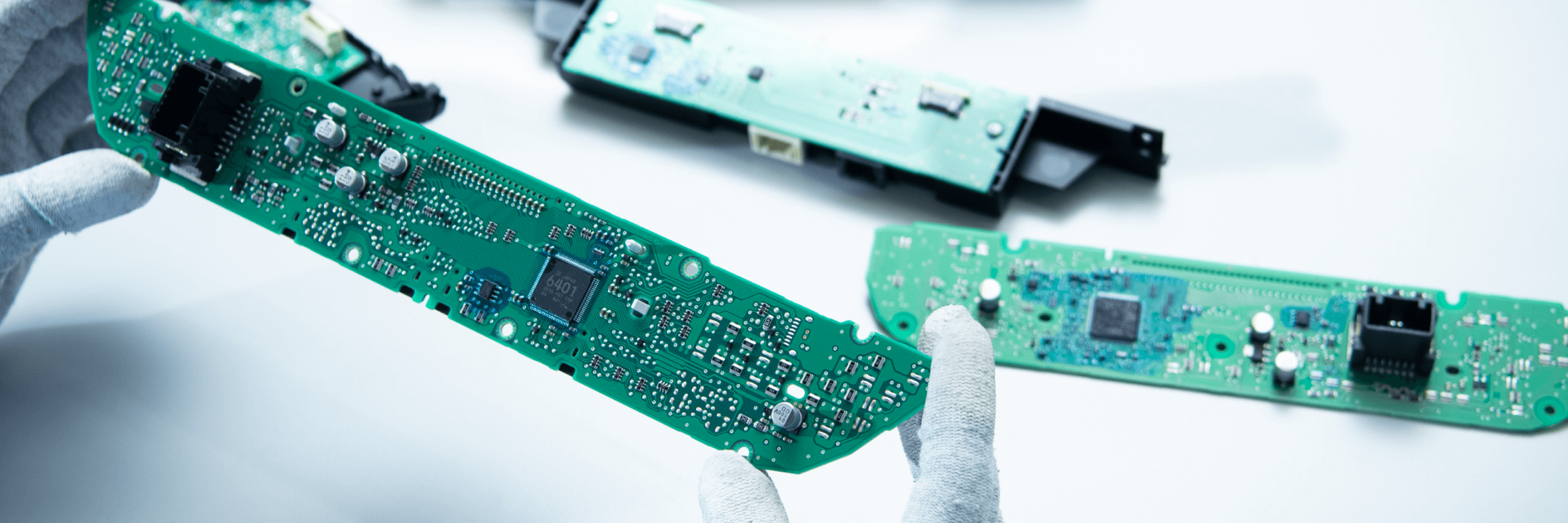
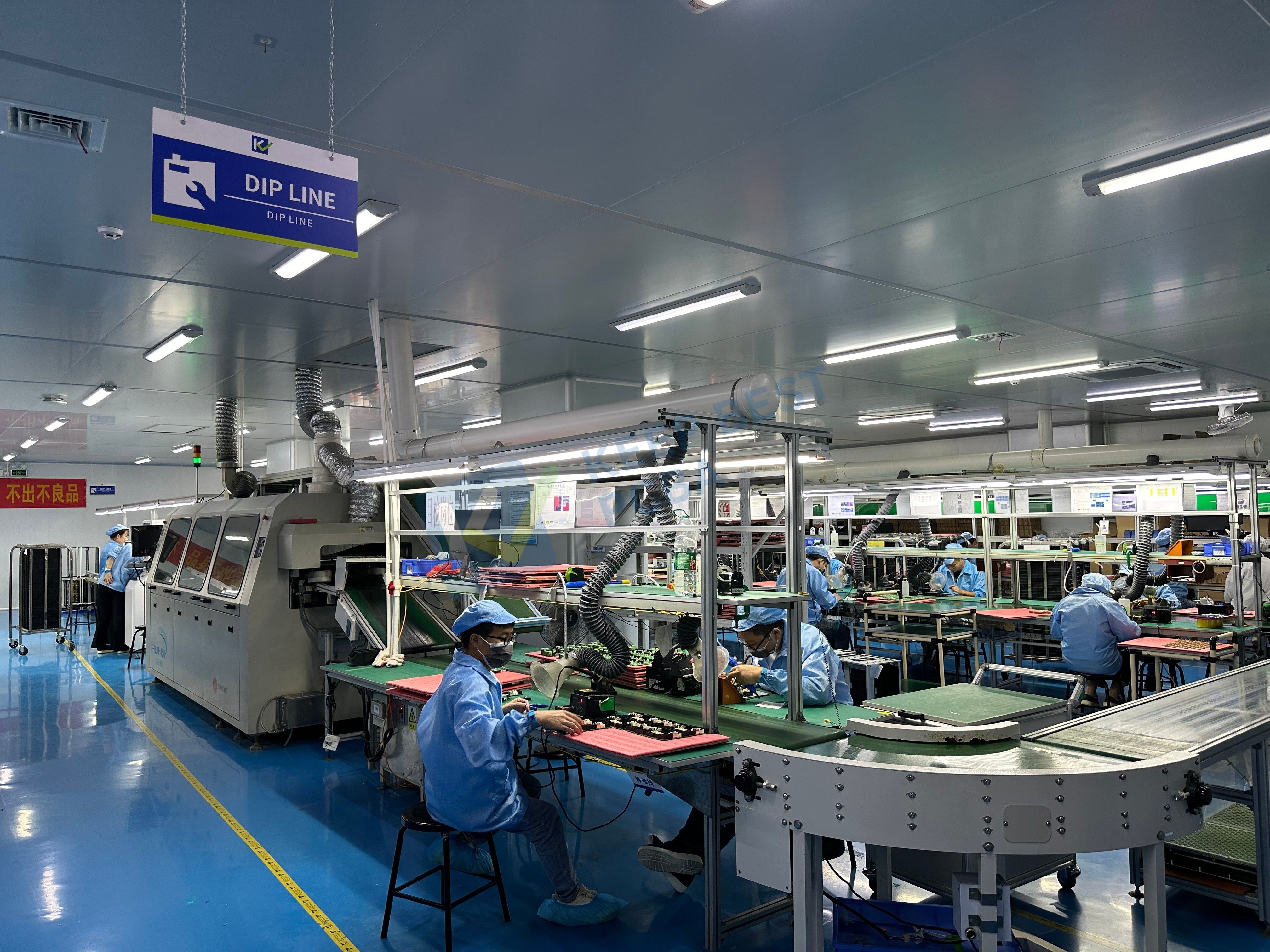
Assembly illustration; confirm the executing site and accepted scope for your project.
-

KeepBestPcba
-
Published
Updated
-
Views ()
EMS vs PCBA in Thailand: Service Scope
Compare EMS and PCBA service scope. Define engineering, material sourcing, assembly, testing and integration responsibilities in the quotation.
PCBA describes a printed circuit board assembly and the work needed to assemble it. Electronics manufacturing services (EMS) describe a wider project scope that may include engineering support, sourcing, PCB supply, assembly, programming, testing and delivery coordination. For a Thailand project, choose the scope by the responsibilities you need to hand over, then confirm which company and site perform each task.
The terms overlap: an EMS quotation can include PCBA assembly, while a turnkey PCBA order can include purchasing. Neither term alone defines the manufacturing location, test coverage or ownership of the design. A written work-package and responsibility list provides a more useful comparison than the service label.
Compare the scope on the same dimensions
| Decision | Assembly-focused PCBA scope | Wider EMS scope to discuss |
|---|---|---|
| Engineering | Review the released board for the agreed assembly process. | Identify additional design review, layout or manufacturing-data work and its deliverables. |
| Bare boards | Use customer-supplied boards or an agreed board-supply work package. | Coordinate fabrication review, supply, acceptance and the handover to assembly. |
| Components | Fit the parts supplied or purchased under the agreed material model. | Coordinate BOM exceptions, purchasing responsibilities, approved sources and inventory terms. |
| Build and release | Define assembly, inspection and first-article approval for the revision. | Connect engineering, materials, pilot approval and repeat-production release across work packages. |
| Testing | Perform explicitly agreed checks using defined inputs and coverage. | Discuss programming, fixture or test-development work and ownership where required. |
| Delivery | Deliver the specified assembly with agreed packaging and records. | Coordinate additional handovers or final-product work only when expressly included. |
These are scope questions, not claims that every EMS provider performs all listed work. An enclosure, cable harness, regulatory assessment or finished-product validation should appear as a separate requirement if your project needs it.
When an assembly-focused enquiry is appropriate
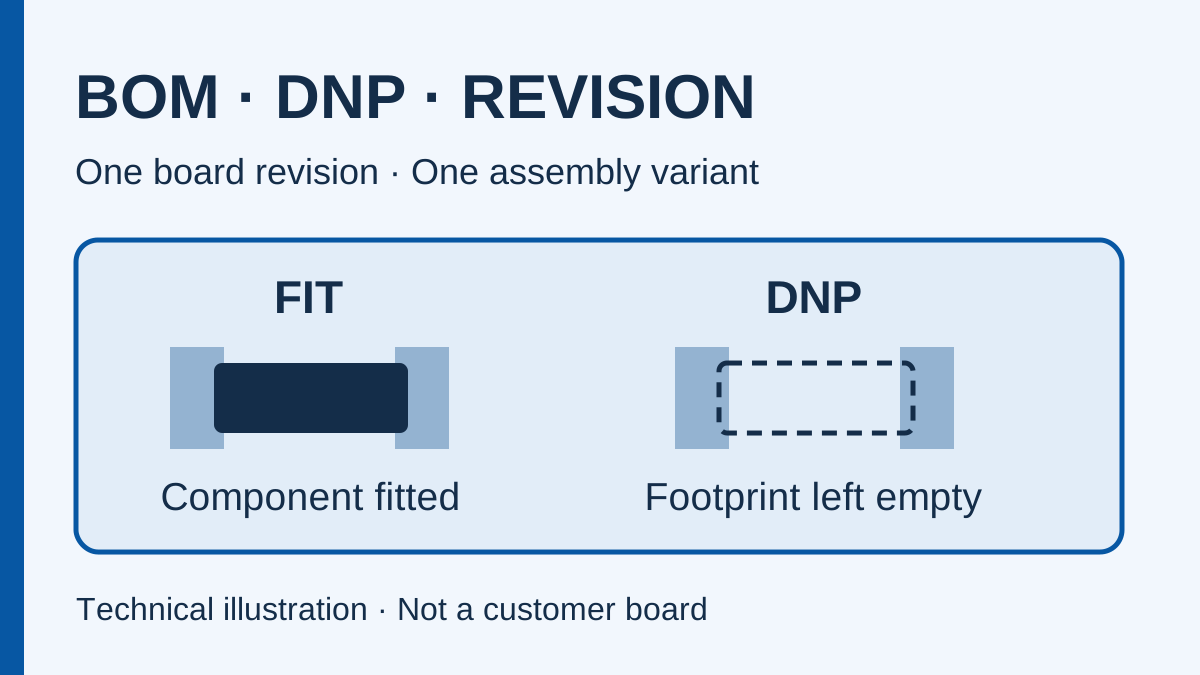
Start with PCB assembly services when you have a controlled design and mainly need boards assembled to specified acceptance requirements. Identify the quantity, variant, board revision, BOM, placement data and any special assembly instructions. Choose the material arrangement using the turnkey, consigned and hybrid comparison.
A prototype can still have unresolved questions. Describe those questions and distinguish a feasibility discussion from approval to buy materials or release production. The quotation should identify which decisions must be closed before the build starts.
When a wider EMS discussion is useful
Discuss the EMS work packages when several teams or suppliers need coordination. Examples include a design needing engineering review, a BOM with availability exceptions, separately fabricated bare boards, test-fixture development or a pilot that must become a controlled repeat build.
Use one release identifier across the packages. Purchasing, assembly and testing need to know which files and approvals are active. A change to a component, panel or firmware revision may affect more than one package; assign an owner to review that effect before the next handover.
Ask where each process is performed
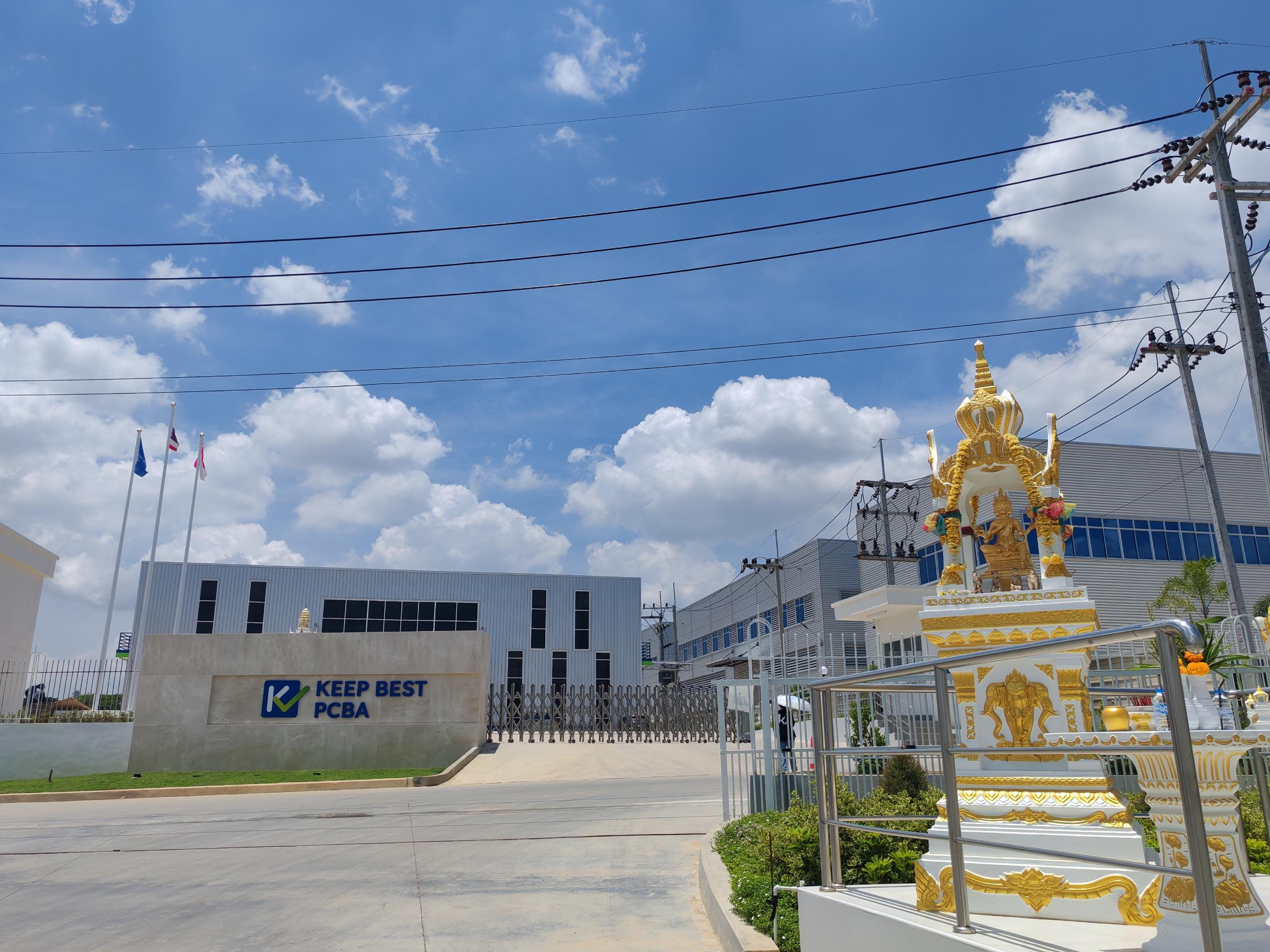
For a Thailand project, identify the actual assembly location and any work performed by another group site or supply partner. Separate PCB fabrication from PCBA assembly and final testing. A Thailand assembly address does not establish that the bare boards or components were manufactured there.
Record the contracting entity, process owner, site and evidence to be supplied at each handover. Use PCB supply responsibilities for the bare-board route and the Thailand PCBA and EMS supplier audit when checking the evidence behind the proposal. Site-specific certification should be reviewed for its holder, address, validity and scope.
Use a responsibility worksheet before comparing prices
| Question | Record in the request |
|---|---|
| Who owns the product decisions? | Design approval, product validation and the authority to accept a change. |
| Who buys each material? | BOM-line owner, board-supply owner, approved sources and inventory responsibility. |
| Who closes manufacturing questions? | DFM issue owner, approved response and released file revision. |
| Who provides verification inputs? | Program, fixture, firmware, pass limits and approval of test coverage. |
| Who releases and receives the product? | First-article or pilot decision, required records, destination and delivery terms. |
Compare quotations against the same worksheet and release package. Include setup, engineering, tooling, tests, material commitments and exclusions rather than comparing unit assembly price alone. The PCBA cost and quote comparison guide explains how to normalize those assumptions.
Keep engineering data and acceptance connected
Gerber images are part of the bare-board manufacturing package; accompanying fabrication requirements still need a shared interpretation. Ucamco documents the Gerber Job file for fabrication information alongside image data. Use the format accepted by the proposed fabricator and identify the approved drawing and stackup. Ucamco: Gerber Job.
Assembly and testing require their own inputs. Agree inspection and functional-test coverage, including exclusions, before treating a completed assembly as an accepted product. The project scope should also say which validation remains with the product owner.
Prepare the first discussion
Use the Thailand PCBA RFQ checklist to describe the design stage, available files, quantities, supply model and test needs. Identify whether the required output is an assembly or a broader coordinated delivery. Discuss your PCBA or EMS project with KeepBestPCBA; an early enquiry can start before every technical decision is final.
Recent Post

Ask a PCBA question
Your question is sent privately to our team. Required fields are marked *.